
累积误差导致停位不准
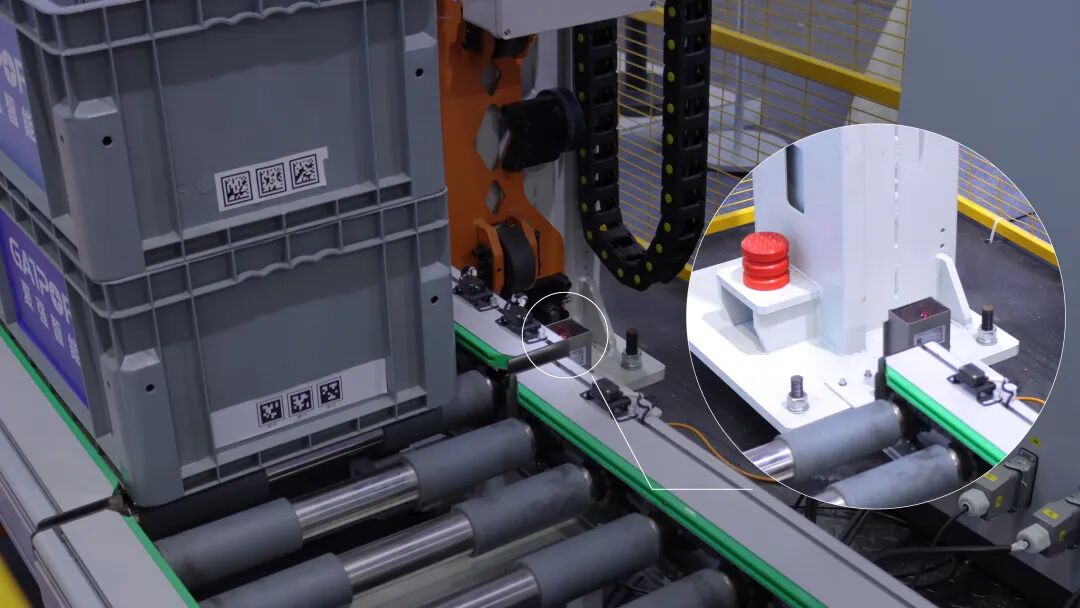
传统编码器通过轮径换算间接测距,长期运行后链条磨损与负载不均致使误差持续累积,最终造成穿梭车与提升机对接时停位偏差,直接影响货物转运成功率。
Accurately detects shuttle cars, sorters, forklifts, and loading positions to support positioning and collision avoidance in high-throughput logistics operations.
Accurately detects shuttle cars, sorters, forklifts, and loading positions to support positioning and collision avoidance in high-throughput logistics operations.
传统编码器通过轮径换算间接测距,长期运行后链条磨损与负载不均致使误差持续累积,最终造成穿梭车与提升机对接时停位偏差,直接影响货物转运成功率。
提升机现场存在持续振动、粉尘污染及不同环境光线的影响,传感器可能在此类复杂工况下出现数据漂移、信号丢失等问题,设备可靠性大打折扣。
提升机高速运行时,控制系统需实时获取位置信息以完成毫秒级调速与制动决策。传感器刷新率若跟不上,将直接拖慢垂直转运节拍,制约系统整体效率。

Value description to be added.
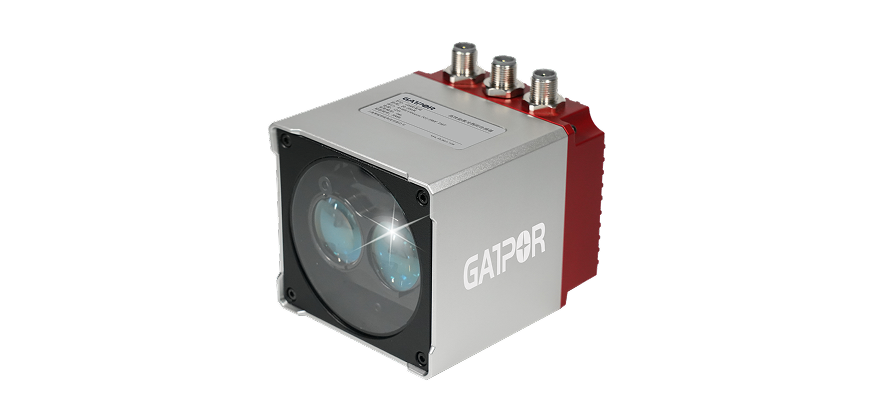
Flagship Product
Get a tailored solution
A multi-level shuttle is an automated storage and retrieval vehicle driven by AC or DC power. It runs on rack rails, retrieves totes with clamp-type forks, places them at designated exits, and stores incoming totes into assigned locations. Multi-level shuttle systems are evolving toward higher speed, greater complexity, and higher intelligence, with more flexible storage management and scalability. They are widely used in ecommerce small-item logistics, daily goods, pharmaceuticals, tobacco, beverages, packaged foods, production logistics, and order processing.
Most equipment in the industry still runs around 3 m/s. Customers need faster shuttle solutions that break the current performance bottleneck.
Inertia during transport can cause vibration, shifting or dropping totes and making storage and retrieval more difficult.
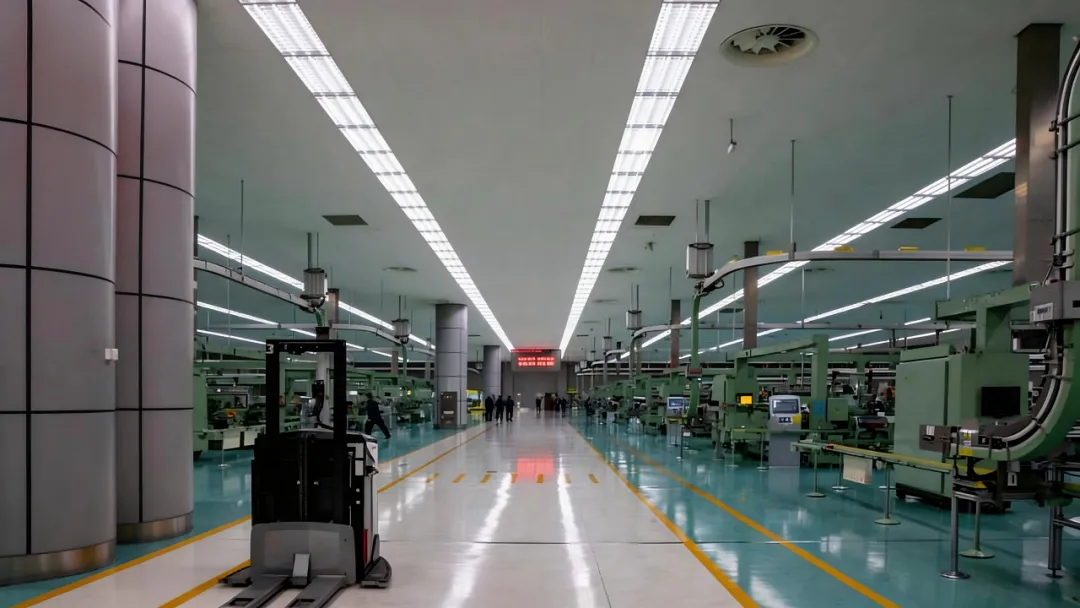
Shuttles operate in narrow, elevated, and complex spaces. Customers need an integrated and networked sensing solution that supports fault prevention and maintenance.

For narrow maintenance spaces and complex elevated work sites, GATPOR provides integrated and networked sensor solutions that make equipment status perceptible, measurable, and predictable, turning passive repair into preventive maintenance. The solution helps intelligent warehousing achieve higher efficiency, lower cost, and a better operating experience.
Get a tailored solution
In express sorting centers, cross-belt sorters are core equipment. Whether the mailbag at each chute is full directly affects sorting efficiency and parcel safety. Traditional manual inspection is inefficient and can miss timely bag replacement, causing overflow, mis-sorting, or parcel damage. With long-range, high-accuracy, and interference-resistant performance, laser sensors are becoming the intelligent eye for full-bag detection at sorter chutes.
On multi-level cross-belt sorters, the sensor is far from the mailbag, so a diffuse-reflection photoelectric sensor with long detection range is required. Because parcels vary in color and shape, ordinary diffuse sensors often show large distance variation and unstable full-bag detection.
The sensor spot needs to be clearly visible to support early installation and later detection visualization.
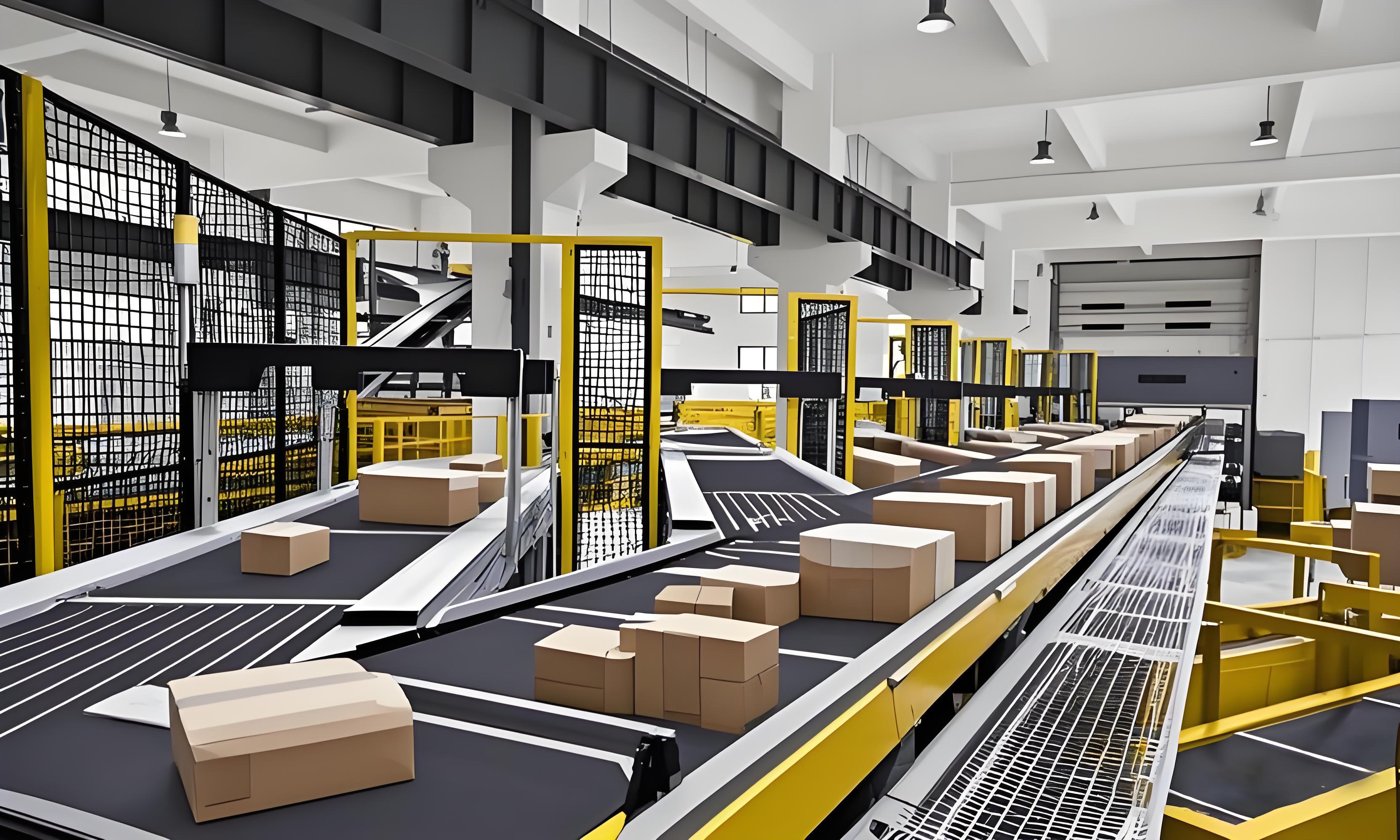

The solution adapts to various chute structures with flexible installation. It stably detects black parcels, reflective tape, and irregular objects, runs reliably around the clock, reduces false alarms and missed detections, shortens debugging time by more than 60%, and provides long service life with minimal maintenance.
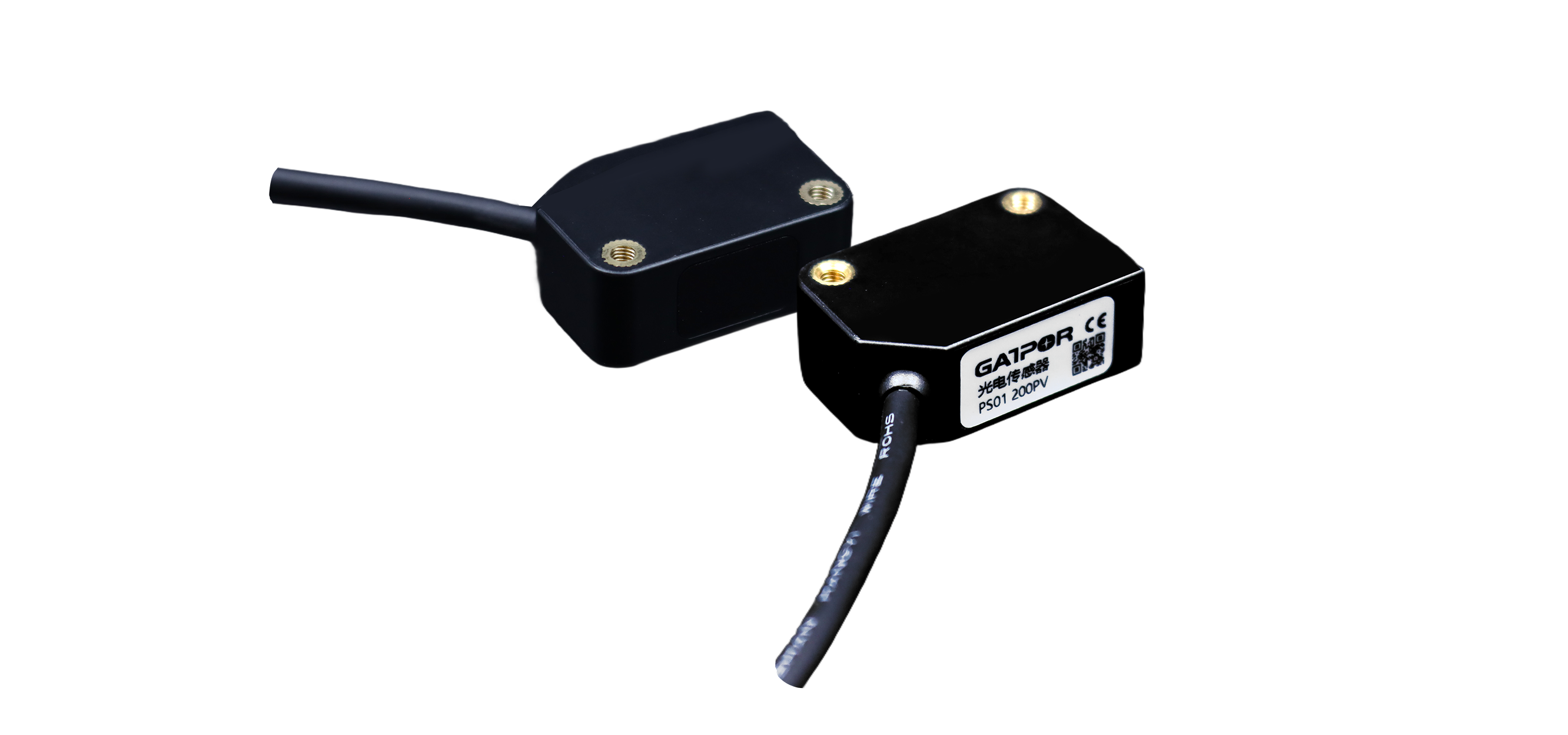
Diffuse Reflection, Transparent Object Detection
Get a tailored solution
Smart forklifts are core logistics equipment for intelligent warehousing and smart manufacturing, widely used in handling, stacking, loading, and unloading. Their working environments are complex, with mixed traffic, narrow aisles, and dense racks, creating high requirements for safety protection and precise operation. The two key sensing needs are collision avoidance, which detects obstacles and personnel around the vehicle for active avoidance and braking, and fork-tip detection, which measures the distance from the fork tip to goods, pallets, and racks to ensure accurate and safe pickup and placement.
Traditional solutions often use mechanical edges, ultrasonic sensors, or ordinary photoelectric sensors, which suffer from slow response, many blind spots, and poor environmental adaptability.
The fork tip is a blind area for many traditional sensors, making it hard to align with pallet openings and causing collisions with goods or racks.
Some sensors respond too slowly for high-speed travel and cannot brake in time, creating safety hazards.
Warehouse environments include dust, oil, and changing light. Traditional sensors are prone to false alarms or missed detections.
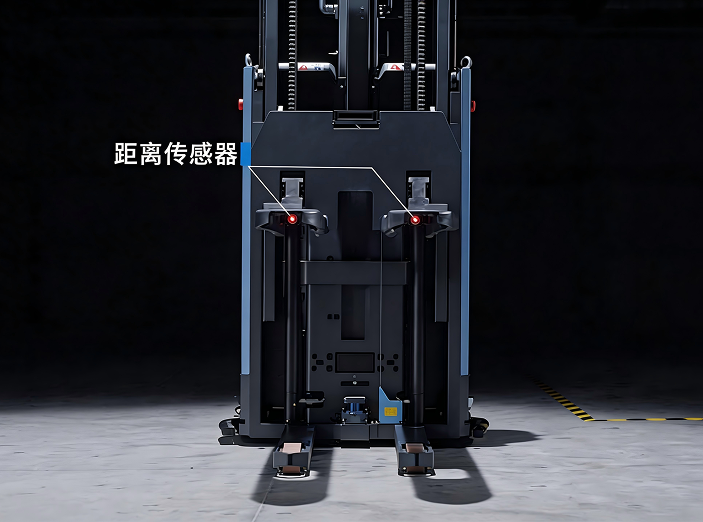

All-round sensing eliminates visual blind spots. Precise fork-tip detection avoids damage to goods and racks, reducing material loss and maintenance cost. First-attempt pickup success can exceed 99.5%, reducing repeated adjustments. Based on ToF ranging, detection is not affected by target color or material, including black absorbing surfaces and reflective metal. Plug-and-play deployment supports quick retrofit with short downtime.
Diffuse Reflection, Transparent Object Detection
Get a tailored solution
Truck loading connects warehousing and transportation and directly affects shipment efficiency and transport safety. Traditional loading relies on manual guidance and driver experience, with low efficiency, poor accuracy, and safety risks. As logistics automation improves, more loading scenarios are adopting automatic guidance and intelligent detection systems.
When a truck backs into the loading bay, the driver may need repeated adjustments to stop accurately. Position deviation prevents loading equipment from docking and requires manual correction.
Dock areas face rain, snow, dust, and lighting changes. Traditional ultrasonic or photoelectric sensors may false alarm or fail. Inside the truck body, weak lighting limits ordinary sensor detection distance.
The loading process lacks real-time data feedback and cannot easily connect with WMS or TMS systems for visual dispatch and efficiency analysis.
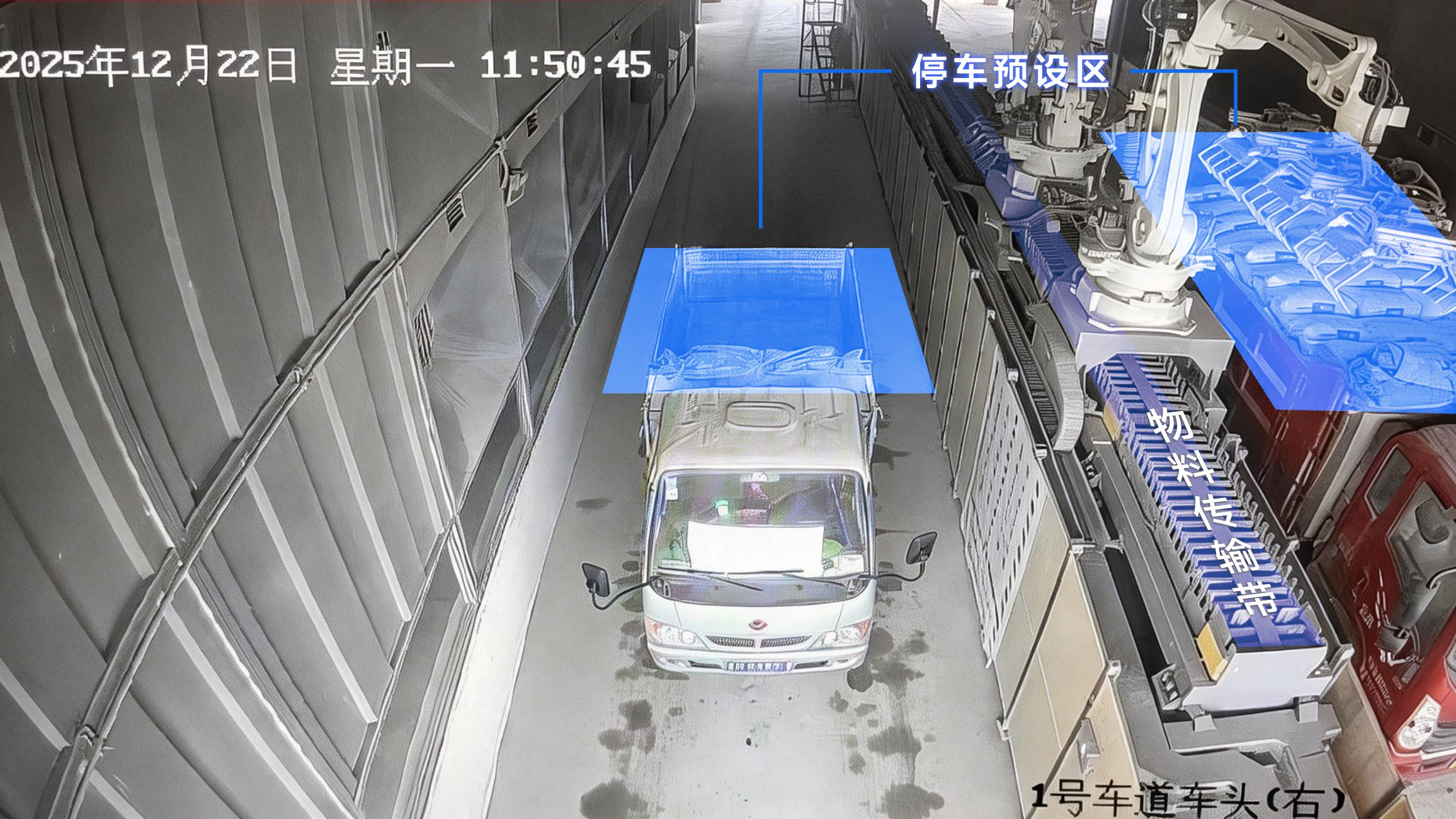

Laser-guided docking helps drivers back into position in one attempt and greatly shortens stopping time. Automatic monitoring reduces repeated manual checks of cargo height and position, improving loading efficiency. Millisecond response monitors personnel and obstacles in the reversing area and reduces collision accidents. The sensors resist ambient light up to 100 kLux, withstand rain, snow, dust, and oil, and automatically collect loading-process data for integration with WMS and TMS systems.
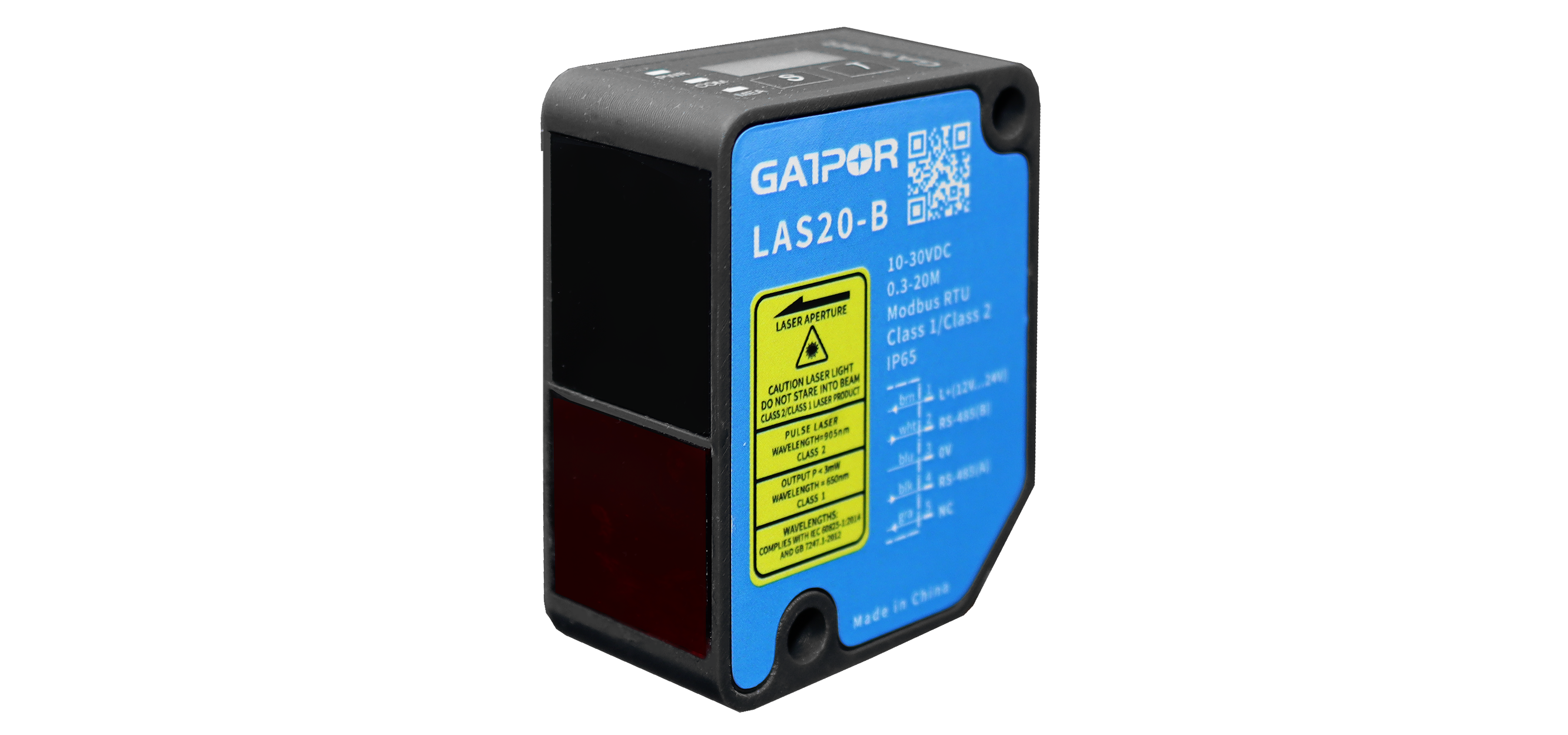
Up to 20m / Diffuse Reflection
Get a tailored solution