
Detection Accuracy
Laser sensors are required at every key step, including gripping, transfer, and placement, to confirm that each mechanism has reached the correct position.
High-precision laser positioning aligns battery packs and hydrogen refueling interfaces, ensuring reliable docking during heavy-truck battery swap and hydrogen refueling while resisting vibration interference.
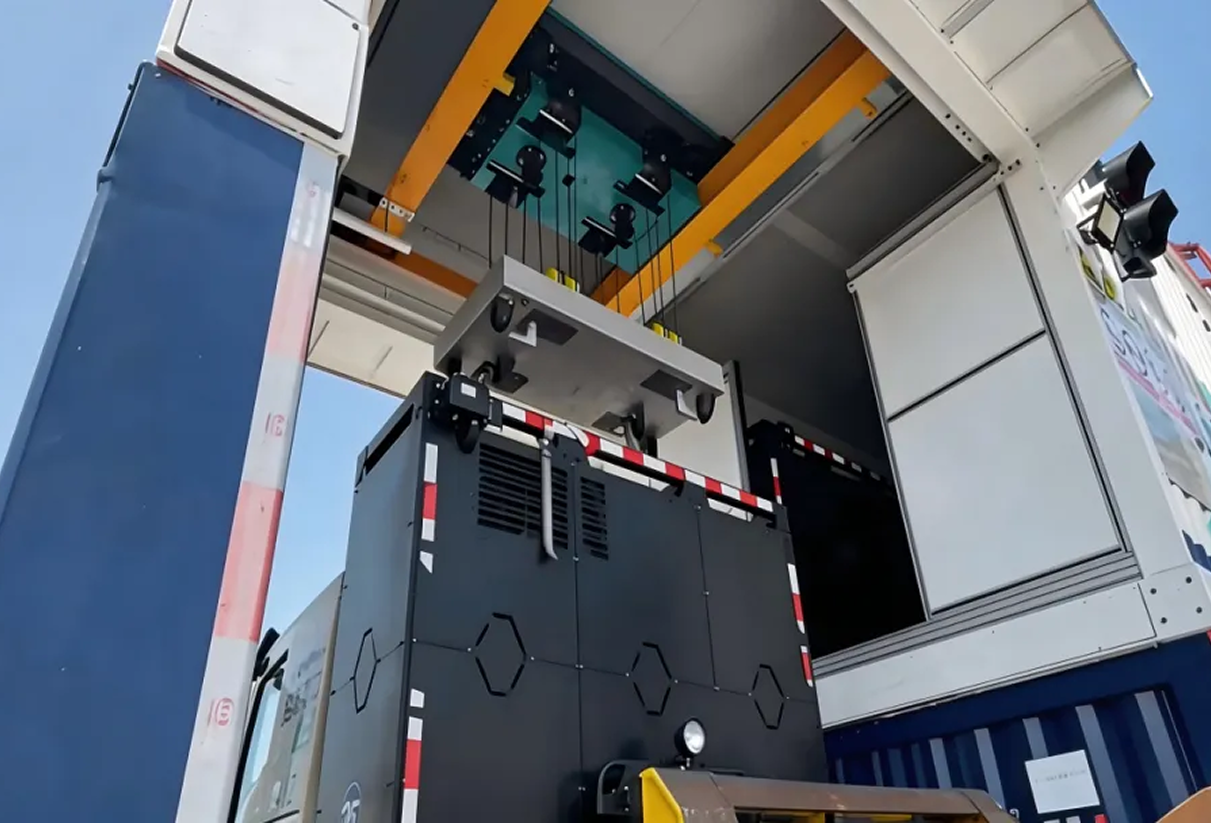
Ceiling-mounted battery swapping is one of the mainstream approaches for heavy-truck battery swap stations. It works much like a gantry crane: the swap robot travels along overhead rails, moves above the vehicle, and precisely grips and replaces the battery pack.
Laser sensors are required at every key step, including gripping, transfer, and placement, to confirm that each mechanism has reached the correct position.
The sensor must operate reliably across a wider temperature range to meet real operating conditions in battery swap stations across different regions.
The sensor must resist strong ambient light and identify battery-pack housings made from different materials and colors.
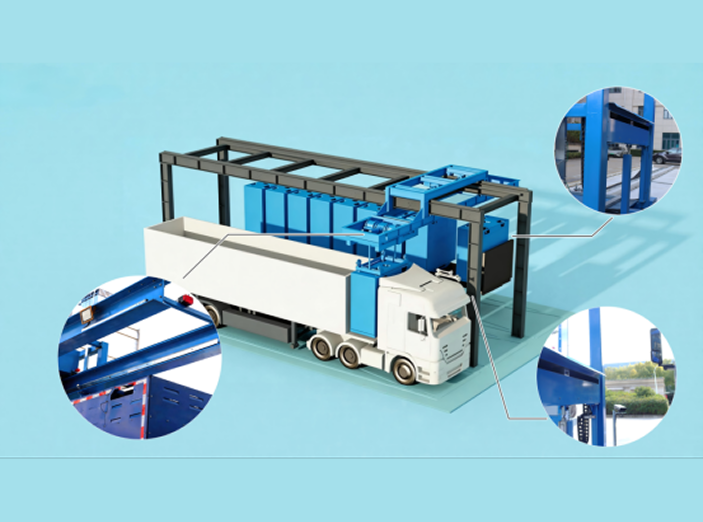

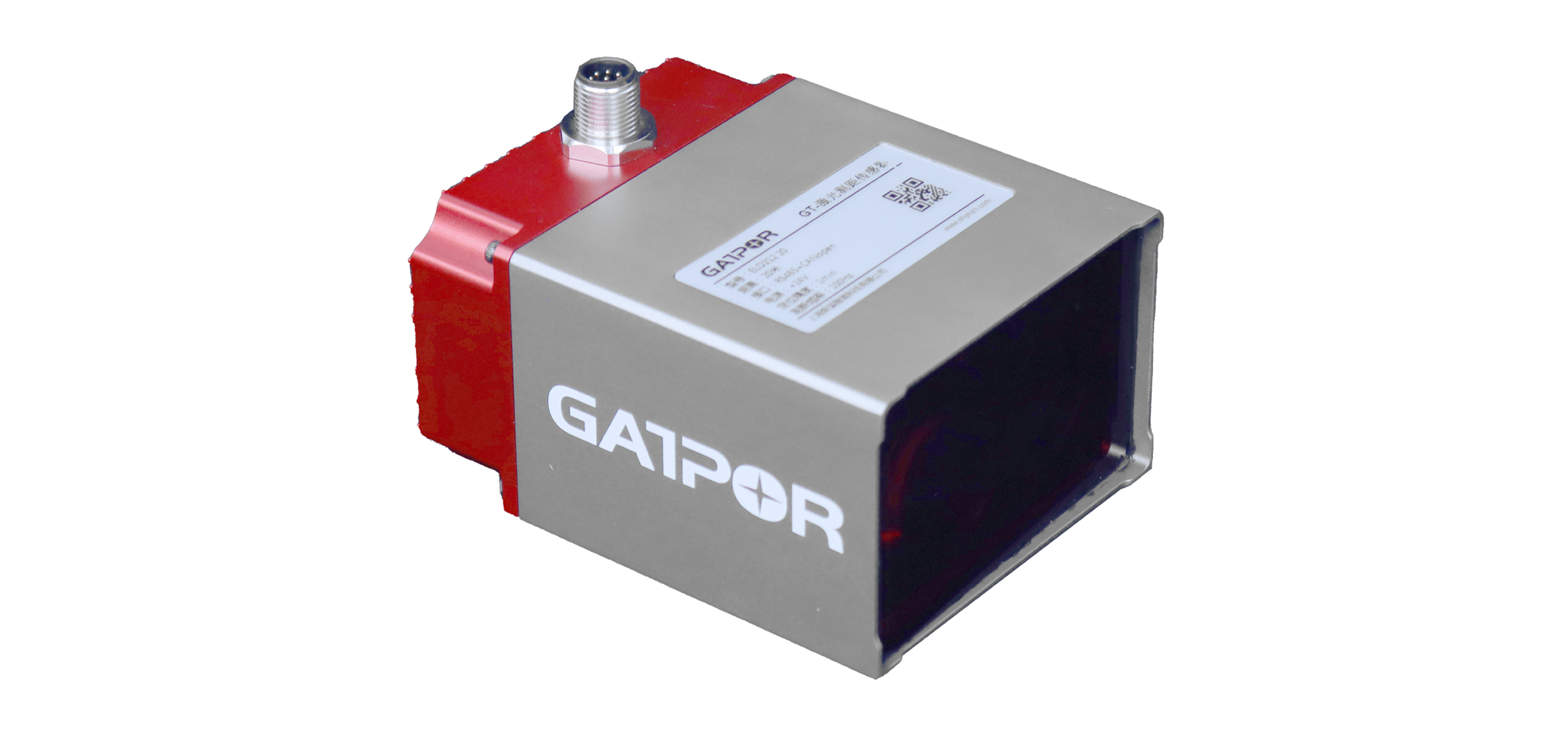
GATPOR LD200 laser distance sensors deliver high-precision positioning below 1 mm and are suitable for most battery swap station types, including top-lift and side-swap stations. With laser positioning, the system can accurately locate the battery compartment and shorten the full battery replacement process to within five minutes.
High Precision
Get a tailored solution
Heavy-truck hydrogen cylinder swapping replaces depleted hydrogen cylinder packs on fuel-cell heavy trucks. Unlike charging, this uses a vehicle-cylinder separation model: after the vehicle enters the station, automated equipment removes the depleted cylinder pack and installs a full one, typically within 3 to 5 minutes. The equipment includes cylinder hoisting mechanisms, positioning platforms, AGV carriers, and locking mechanisms. Precise docking between the hydrogen cylinder and vehicle interface, stable hoist movement, and accurate vehicle stopping all depend on high-precision position sensing.
The hydrogen cylinder interface and vehicle interface must be aligned precisely. An error greater than +/-2 mm may compromise sealing and create a hydrogen leakage risk.
Hydrogen swap stations are often outdoors or semi-open, with dust, rain, fog, and strong light that challenge sensor stability.
Different vehicle models and load states create parking deviations, affecting automatic alignment of the hydrogen swap mechanism.
Hydrogen swap equipment runs at high frequency. Contact sensors are prone to wear and require frequent calibration, reducing operating efficiency.
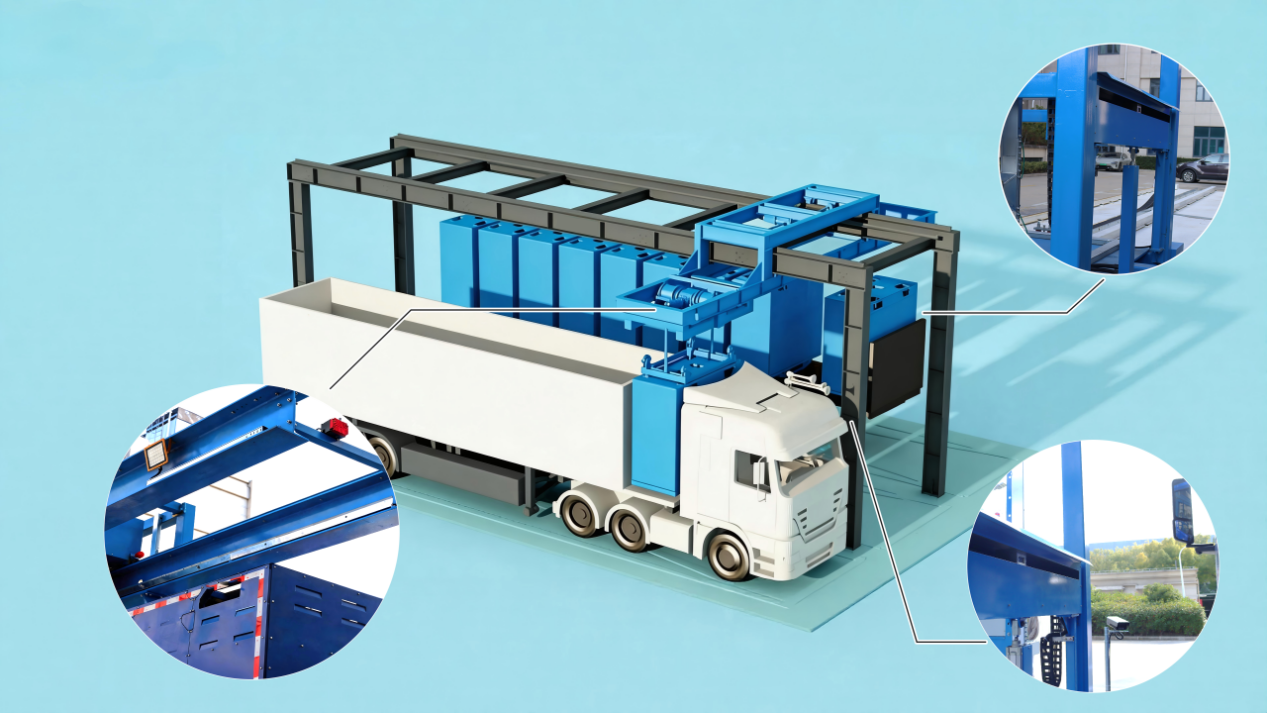

Non-contact laser measurement avoids mechanical wear and false-trigger risks. Real-time monitoring of hoisting distance and interface alignment reduces collision and leakage risks. Safety interlocks stop the equipment when personnel enter the work zone. ToF laser ranging resists ambient light, operating stably under 100 kLux strong light, and withstands dust, rain, fog, and outdoor lighting. Sensor data can be uploaded to the station control system for trajectory playback, alarm records, equipment health management, and troubleshooting.
High Precision
Get a tailored solution